
Roof Replacement & Re-Roofing
When a roof has reached the end of its reliable life — worn coverings, failed underlay, cracked ridges or long-running water ingress — a planned re-roof is almost always better value than another round of repairs. We handle full and partial roof replacement across London and Surrey for homeowners who want a permanent solution, not another temporary fix. Minimum job value: £1,000.
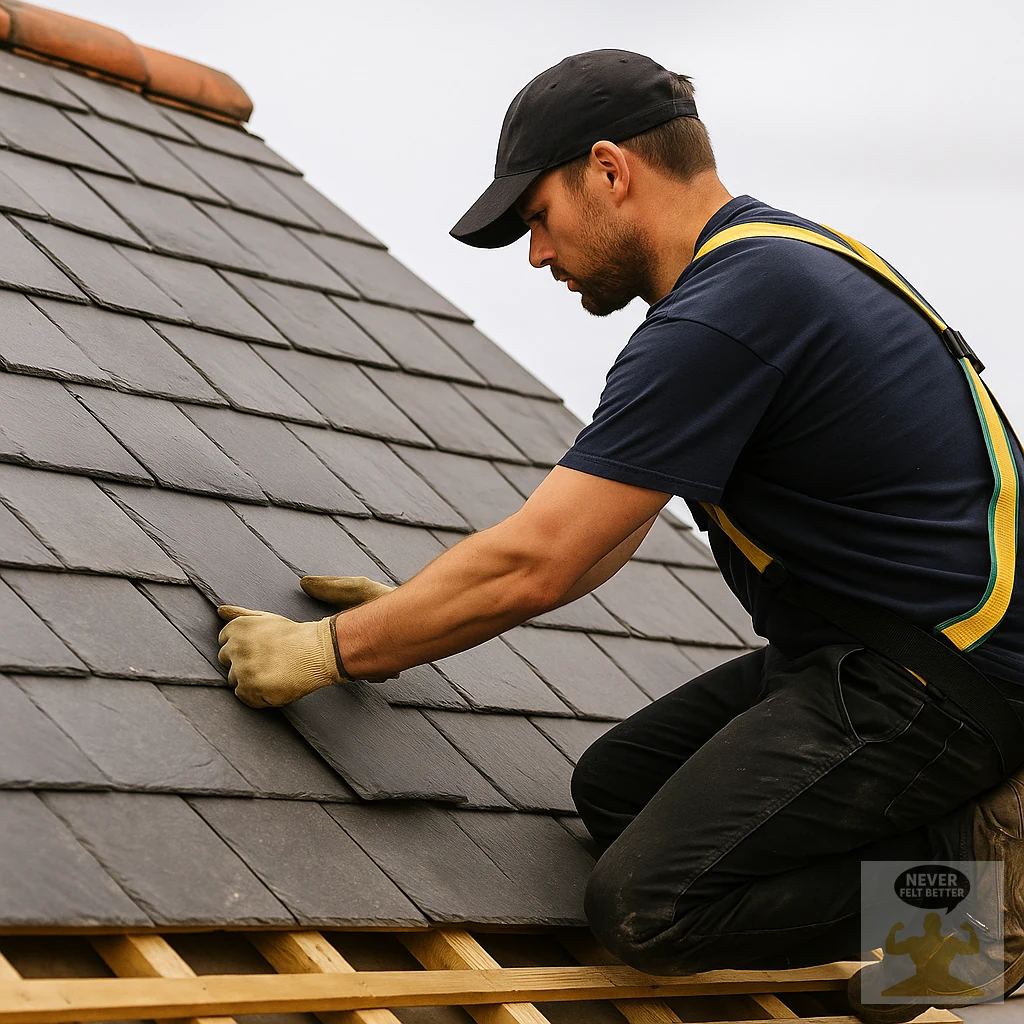
What this service covers
Included work: full re-roofing, partial re-roofing, underlay and battens, ridges and hips, lead valleys, chimney junctions and roofline details.
- Written scope and quote before any work starts
- Underlay, felt and batten renewal where required
- Ridges, hips, verge and valley details included
- Fully insured — residential London and Surrey coverage
Request a re-roofing quote
Call 01344 558 785 or use our contact page.
Quotes are detailed and written — you know exactly what's included, what materials we're using, and what the finished roof will look like before we start.
When roof replacement makes sense
If your roof has a history of recurring leaks, widespread cracked/slipped coverings, failed underlay, rotten battens or multiple weak points around valleys and chimneys, a proper re-roof is often better value than a cycle of repairs. This is especially true on larger homes and premium residential properties where patching just pushes the bigger cost down the road.
What a proper re-roof includes
A proper roof replacement is more than changing visible tiles. It can include stripping back coverings, inspecting the deck or timbers where relevant, renewing membrane, felt and battens, and rebuilding ridge, hip and verge details so the roof performs correctly. We also consider ventilation, leadwork, chimney junctions and drainage paths because they all affect the long-term result.
Partial roof replacement
Not every job needs a full roof replacement. In some cases one slope, one elevation, or a specific section has failed sooner than the rest. Partial re-roofing can make sense where the issue is isolated, access is sensible and the repair strategy is clear.
Chimney, leadwork and guttering — often included at the same time
A re-roof is the natural opportunity to deal with everything at once. If the chimney flashing or leadwork is tired, the valleys need relining, or the fascias and guttering are rotten, it makes sense to address them while the scaffolding is already up. We can scope all of this together so the finished result is consistent and the drainage functions as it should.
Signs a repair is no longer the right answer
There are clear indicators that a roof has moved beyond the point where targeted repairs make economic sense:
- Multiple sections of slipped, cracked or missing coverings — not a single isolated tile
- Ridge or hip mortar failing in several places, not one
- Evidence of wet rot in roof timbers visible from the loft
- Underlay with splits or gaps, allowing water to enter the structure rather than drain to the eaves
- A third or fourth repair at the same or nearby location within a few years
- Chimney flashing, valleys and coverings all failing simultaneously — a sign of widespread age
- The cost of a proper repair approaching 40–50% of replacement cost
Where the evidence points toward replacement, we will say so clearly — including an outline of why, so you can make an informed decision rather than being pushed into a scope you did not ask for.
Typical related services
- Flat roof replacement
- Chimney repairs & leadwork
- Fascias, soffits & guttering
- London roofers
- Surrey roofers
FAQs
When does partial re-roofing make sense instead of a full replacement?
Partial re-roofing makes sense when one slope or section has failed earlier than the rest — often due to a specific exposure, a past repair done in poor materials, or a junction that has let water in for longer. We will always assess the full roof first and explain whether partial or full replacement is the better-value option for your specific property.
Does a proper re-roof include felt and battens, or is that extra?
A proper roof replacement should include new underlay and battens — these are not optional extras. Old felt can be too brittle to rely on and is part of what you are replacing when you re-roof. Our written quotes specify exactly what is included: membranes, battens, lead details and all ridge and valley work.
Should I deal with the chimney at the same time as re-roofing?
In most cases, yes. The scaffolding required for a re-roof gives access to the chimney stack at no additional scaffold cost. If the flashing, flaunching or repointing needs attention, doing it during the re-roof is almost always better value than returning later with separate scaffold. We assess the chimney as part of the initial survey and include it in the written scope if warranted.
When replacement is better value than another repair
Some roofs can and should be repaired. Others have reached the point where repeated patches are failing because the underlying roof has deteriorated broadly — coverings are brittle, underlay has gaps, ridge mortar is failing in multiple places, and chimneys and valleys are all showing their age simultaneously. In that situation, a planned roof replacement is almost always the lower-risk long-term investment.
The assessment comes first. We do not push replacement where a repair makes sense — but we do say clearly when the evidence points toward replacement, so you can make that decision on solid information rather than optimistic guessing.
What a proper roof replacement normally includes
A full re-roof generally includes stripping the old covering, checking the roof structure, renewing membrane and battens where required, installing the new covering to the right gauge, and finishing ridges, hips, verges, valleys and lead details properly. If the roofline is tired, fascias, soffits and guttering are often reviewed at the same time so the finished result is not undermined by old drainage components.
- Strip and disposal of old coverings
- Inspection of the deck or rafters where accessible
- New underlay and battens where specified
- New tiles or slates with ridges, hips and verge details
- Lead flashing, valleys and abutment work
- Final snagging and photo record of the completed job
What actually changes the cost of a re-roof
Roof replacement cost varies significantly by property — and any number given without seeing the roof is a guess. The variables that change the cost most are the roof size and pitch, the scaffold requirements, the tile or slate specification, the extent of leadwork and chimney detail, whether the underlay and battens need replacement, and the condition of the structural timbers. We explain these because an informed homeowner is better placed to compare quotes honestly and avoid scopes that look cheap because they leave half the work out.
On higher-value homes around London and Surrey, roof replacement is often affected by access restrictions, parking, conservation considerations, the chosen tile or slate, whether valleys and abutments need lead, and whether roofline items such as fascias and soffits should be renewed while access is already in place.
- Age and condition of the existing roof covering
- Whether battens, underlay or decking need replacement
- Tile, slate or flat-roof interface details
- Lead flashing, chimney work, valleys and junctions
- Scaffold complexity and access around the property